


Quick Answer
Short courses matter because they give a golf trip something another 18-hole round cannot: flexibility. They fit arrival and departure days, keep the group together after a long round, create easy matches, and let golfers keep playing without turning every day into a 36-hole endurance test.
That is why many of America's best golf destinations are no longer treating the short course as an extra. They are making it part of the main experience.
Why It Matters
For years, the standard buddy-trip formula was simple: book as many championship courses as possible and fill every daylight hour with 18-hole rounds.
That still works for some groups. But the best modern golf trips are becoming more varied.
A four-day trip with six full rounds can look great on paper and feel exhausting by Day 3. Travel days create awkward gaps. Not everyone in an eight- or twelve-person group wants another five-hour round. And some of the best moments of a trip happen when the score matters a little less and the entire group can stay together.
Short courses solve those problems.
They can turn a 3 p.m. resort arrival into a real golf day. They provide a second round without requiring another full 18. They are ideal for alternate-shot matches, closest-to-the-pin games, team competitions, or simply carrying a few clubs with a drink in hand.
More importantly, resorts are designing them to be memorable golf in their own right.
The newest generation is not limited to nine par-3 holes. Resorts are experimenting with 10, 12, 17, and 19 holes, flexible loops, short par 4s, putting courses, music, night golf, and layouts intentionally designed for groups.
That change is showing up across many of the destinations golfers already travel to through JEL's U.S. golf destinations.
Key Takeaways
- Short courses are one of the easiest ways to improve an arrival or departure day.
- They add golf without the fatigue of scheduling another full 18.
- Casual formats make it easier for golfers of different handicaps to play together.
- Larger groups can create matches and competitions that are harder to organize on a championship course.
- Newer short courses are increasingly designed as standalone experiences rather than practice facilities.
- A great short course can make staying on property more valuable because there is always another way to play.
Examples Worth Knowing
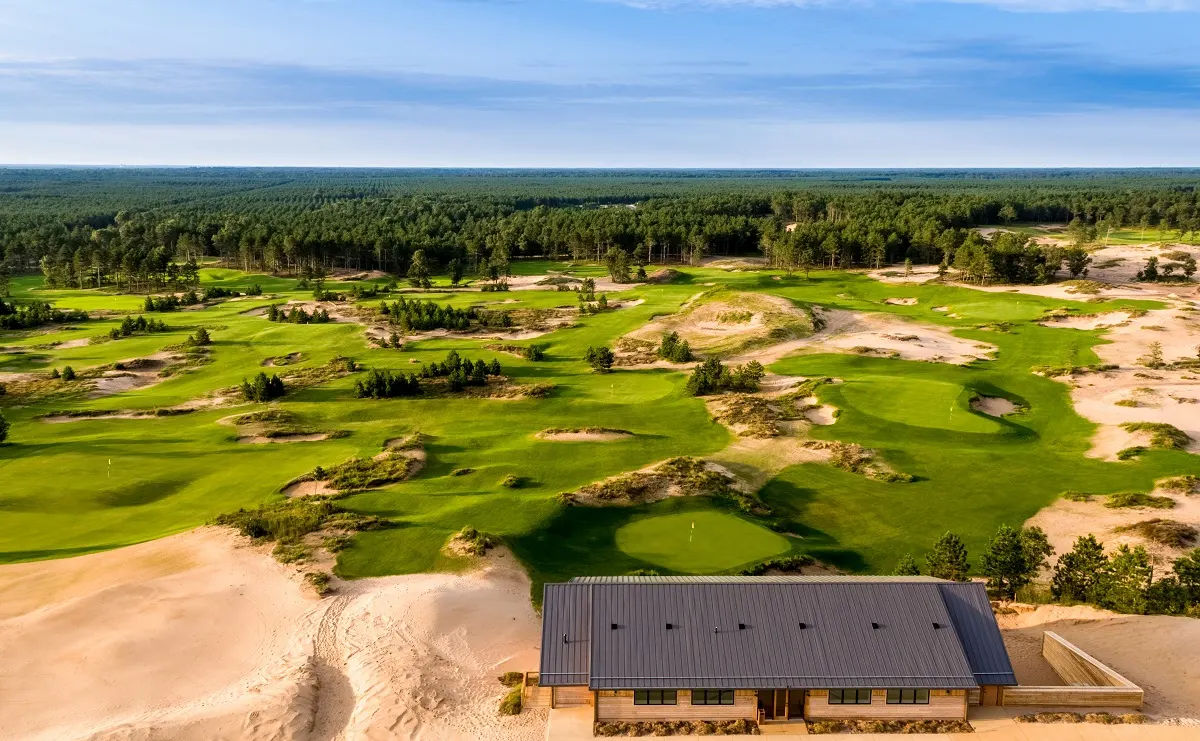
- Sand Valley, Wisconsin: Sand Valley already had the 17-hole Sandbox, but the resort added the Commons in 2026. The 12-hole Jimmy Craig design emphasizes fast play, creativity, and the ground game. Together, Sandbox and Commons give groups two completely different alternatives to another full round.
-
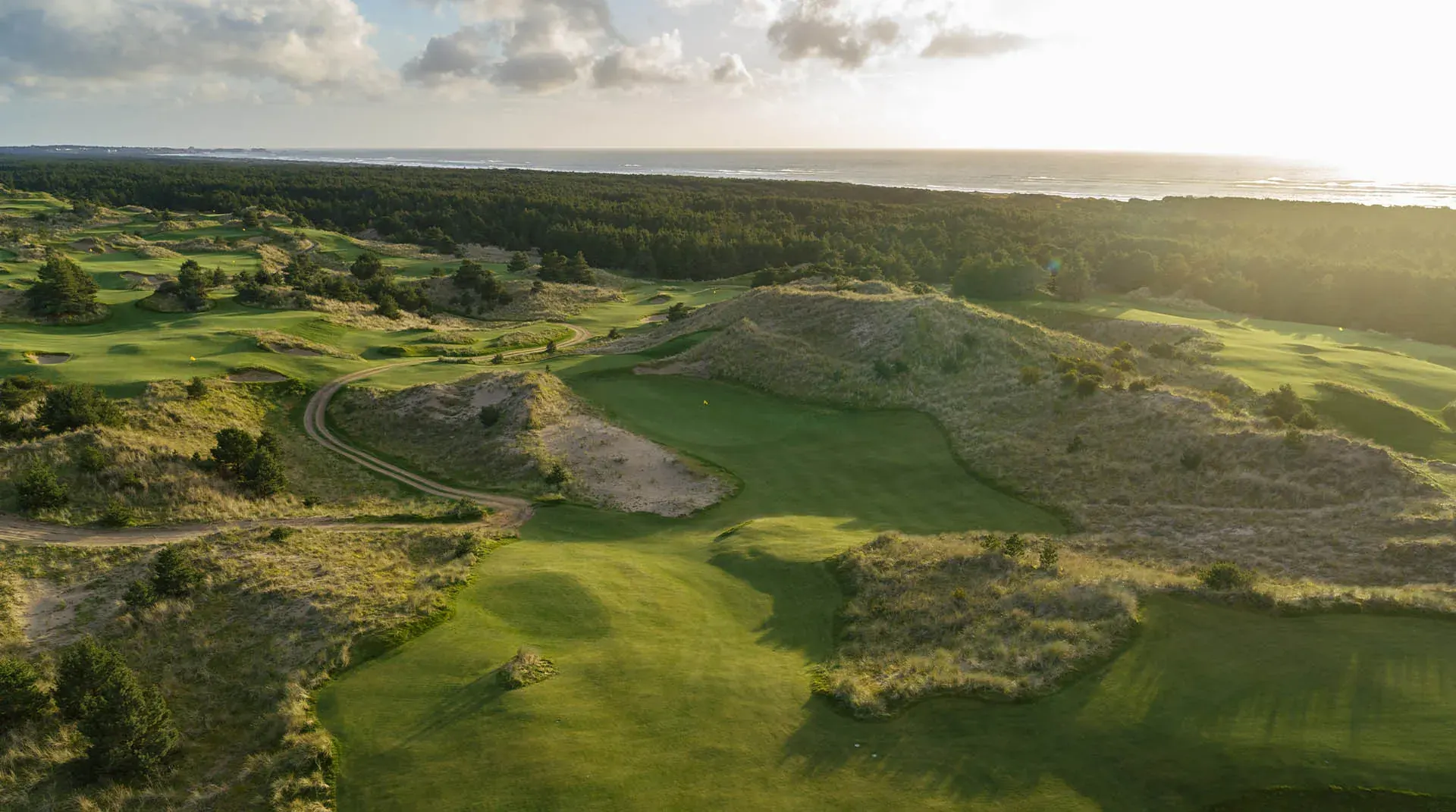
Bandon Dunes, Oregon: Bandon Preserve helped establish the modern resort short-course model with 13 par-3 holes. Then Bandon doubled down with Shorty's, a 19-hole par-3 course that opened in 2024. At a destination famous for walking 18, another shorter option gives groups a completely different way to extend the day.
-
Streamsong, Florida: The Chain is a 19-hole Coore & Crenshaw short course built around match play and creativity. There are no fixed tees or traditional par, and golfers can play shorter loops rather than all 19 holes. That makes it particularly useful on arrival and departure days.
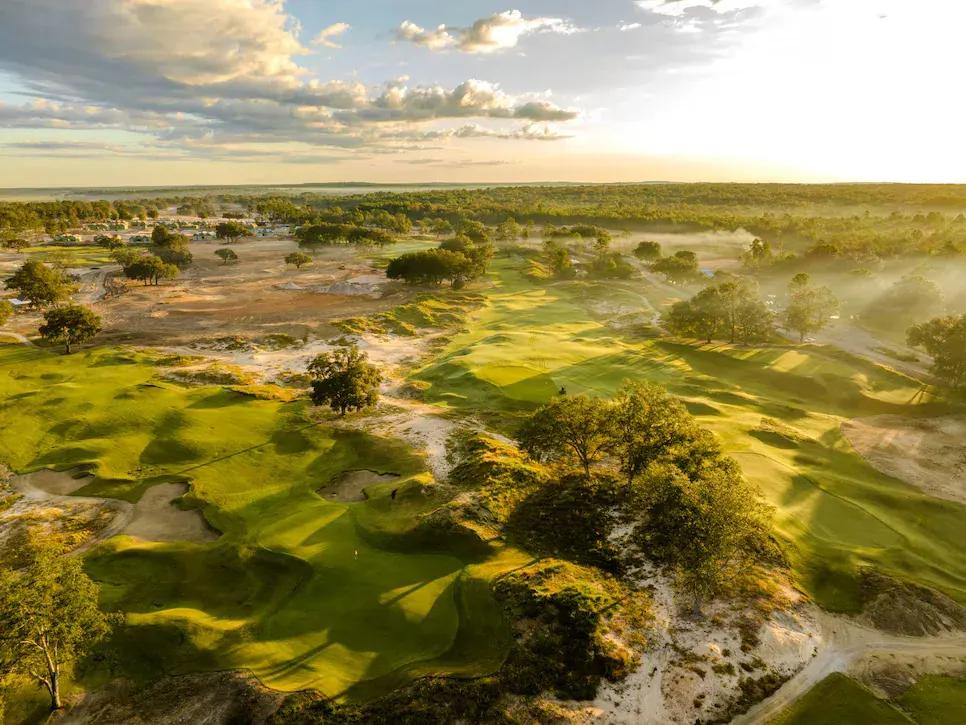
- Cabot Citrus Farms, Florida: Cabot took the concept in two directions. The Squeeze is a 10-hole course with holes ranging from short one-shotters to holes of roughly 550 yards, while The Wedge is an 11-hole par-3 course with lighting for golf after dark. Instead of asking whether you have time for another 18, the resort gives you several different ways to keep playing.
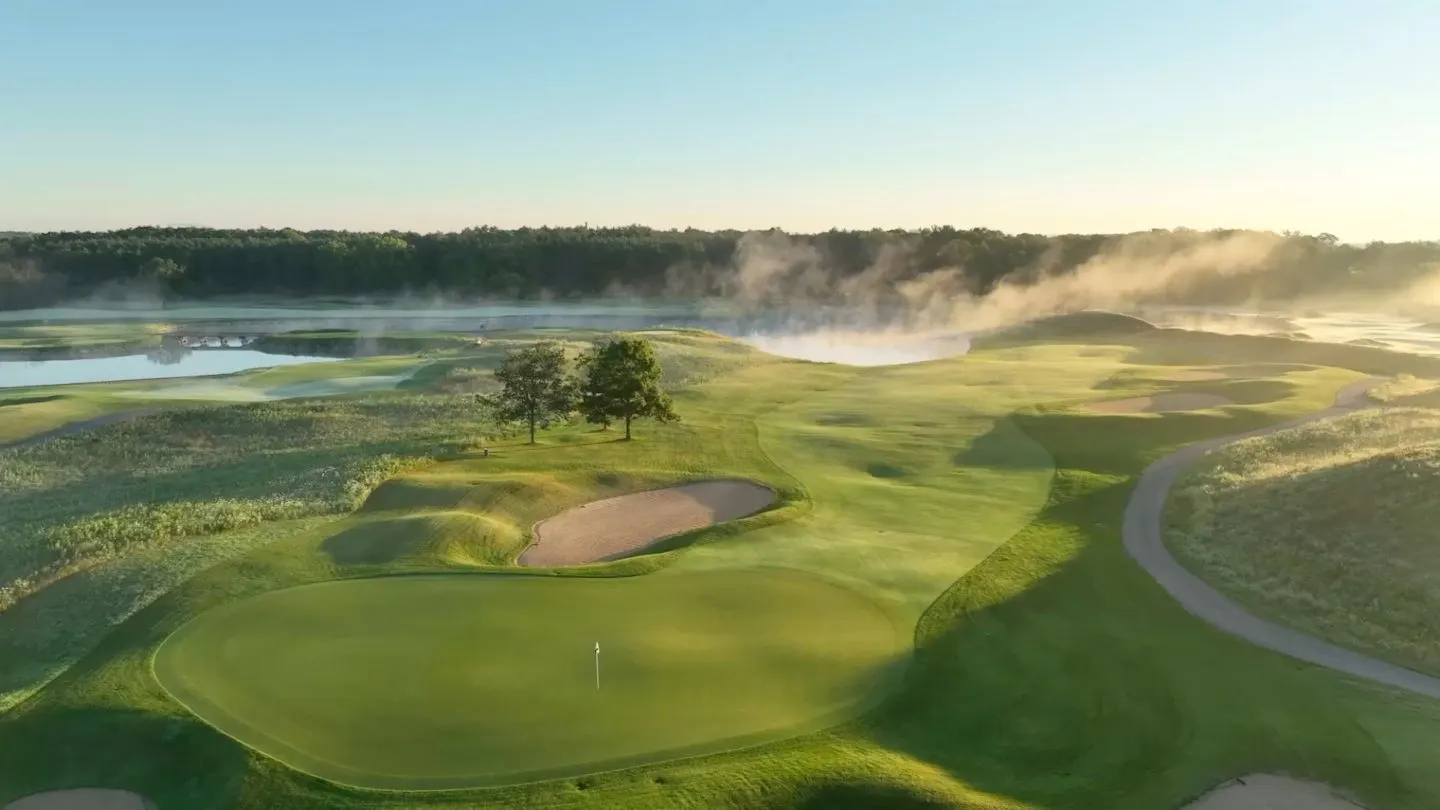
- Kohler, Wisconsin: The Baths at Blackwolf Run is a 10-hole walking-only short course with holes ranging from 60 to 175 yards, plus a two-acre putting course. It gives a Whistling Straits or Blackwolf Run trip a laid-back counterpoint to the resort's championship golf.
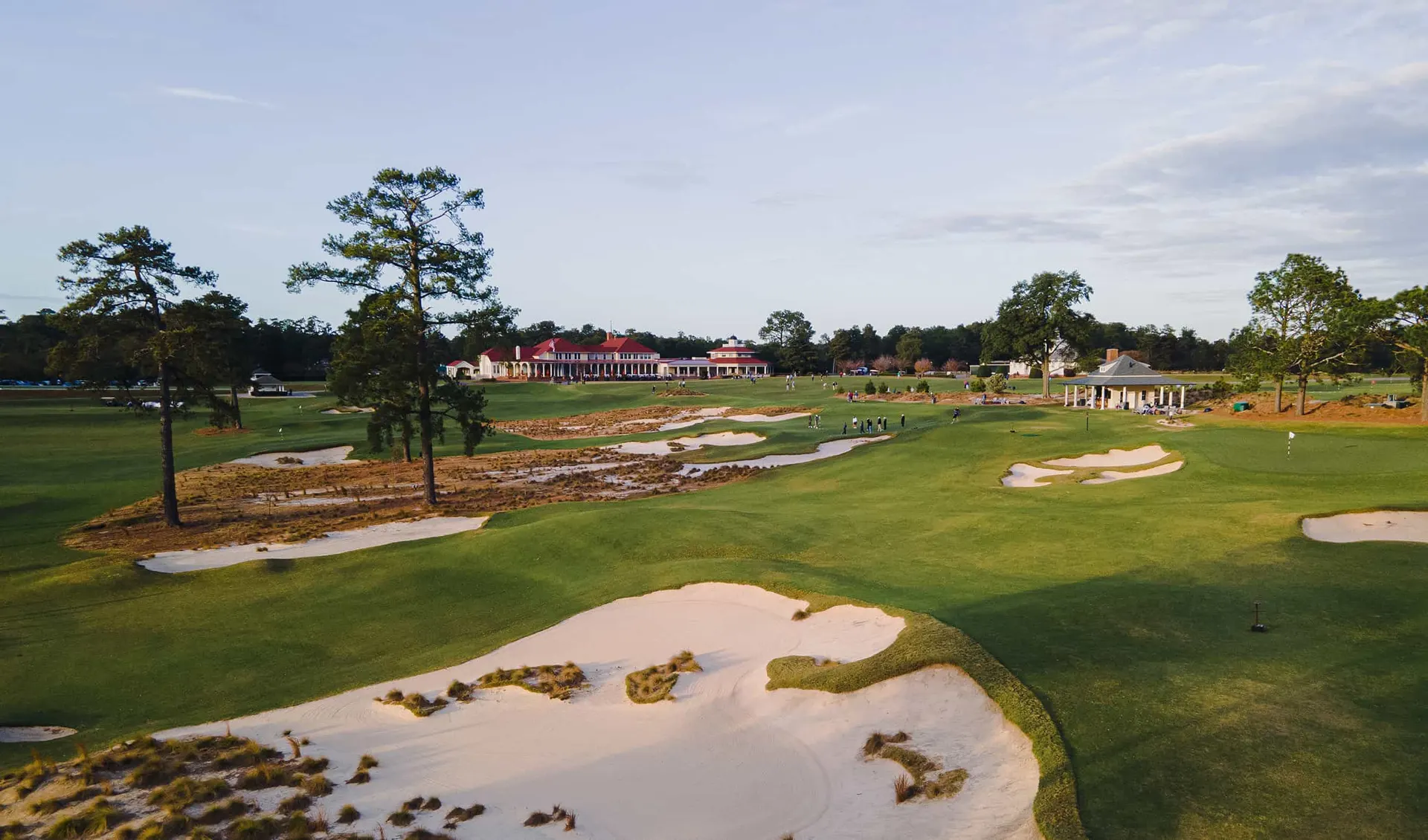
- Pinehurst, North Carolina: The Cradle remains one of the best examples of how a short course can become part of a resort's identity. Gil Hanse's nine-hole, 789-yard layout is centrally located, replay-friendly, and built for the social side of the game as much as the scorecard.
What It Means for Your Trip
The biggest mistake is treating the short course as something to play only if there happens to be extra time.
At resorts that have invested heavily in these experiences, we would often build them into the itinerary from the start.
Imagine arriving at Sand Valley in the afternoon. Instead of forcing an 18-hole tee time after a morning of travel, play Commons or Sandbox, have dinner, and start the championship itinerary fresh the next morning.
At Streamsong, The Chain can fill a partial day without committing everyone to another full round. At Cabot Citrus Farms, The Wedge can extend the night after dinner. At Kohler, The Baths provides a change of pace between demanding championship rounds.
That rhythm usually produces a better trip than simply stacking 18 after 18.
It also helps groups with different priorities. The golfer who wants every possible hole can keep playing. The golfer who is tired can still join the group for a shorter loop. And because the experience is more relaxed, short courses often become the setting for the stories and matches everyone remembers afterward.
Planning Tips
- Use a short course on arrival day. Flight delays and driving time make a full 18 risky; a shorter round gives the itinerary breathing room.
- Avoid automatic 36-hole days. Pair one championship round with a short course when the group wants more golf without another long walk.
- Create a group match. Scrambles, alternate shot, skins, and closest-to-the-pin games work especially well on shorter layouts.
- Check booking rules early. Popular resort short courses can have their own tee-time windows, guest restrictions, or operating hours.
- Plan around daylight and lighting. Courses such as The Wedge can extend golf after sunset, while other short courses are best used as an afternoon or early-evening round.
- Do not skip one just because it is short. At many resorts, the short course is now a meaningful part of the architecture and overall destination experience.
FAQ
Are short courses worth playing on a golf trip?
Yes, especially at destination resorts where the short course was designed as a real golf experience. They provide variety and usually fit into an itinerary more easily than another full 18.
Should we play a short course instead of 36 holes?
For many groups, one championship round plus a short course is the better day. You still get plenty of golf while leaving more energy for dinner, drinks, and the next day's marquee round.
What is the best time to schedule a short course?
Arrival afternoon and the evening after an early 18-hole round are usually the best spots. They can also work well on departure day when there is not enough time for a full round.
Are short courses only for high-handicap golfers?
No. Many are designed by elite architects and use interesting greens, angles, contours, and match-play strategy to challenge good players while remaining approachable for everyone else.
Final CTA
A great golf itinerary is not about cramming in the most rounds possible. It is about getting the rhythm of the trip right. If you want help combining championship golf, short courses, lodging, and travel into a trip that actually works for your group, plan a custom golf trip with JEL Golf Travel.


